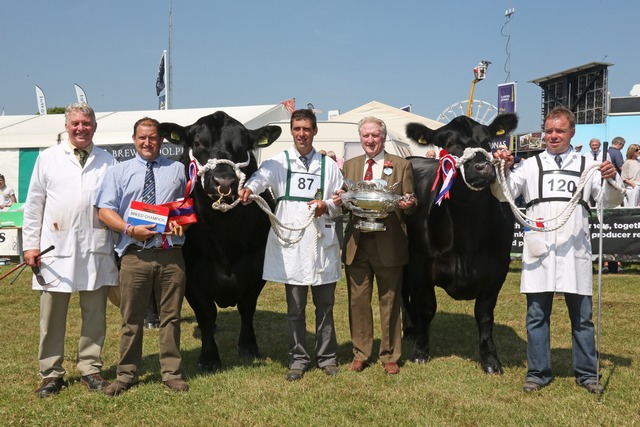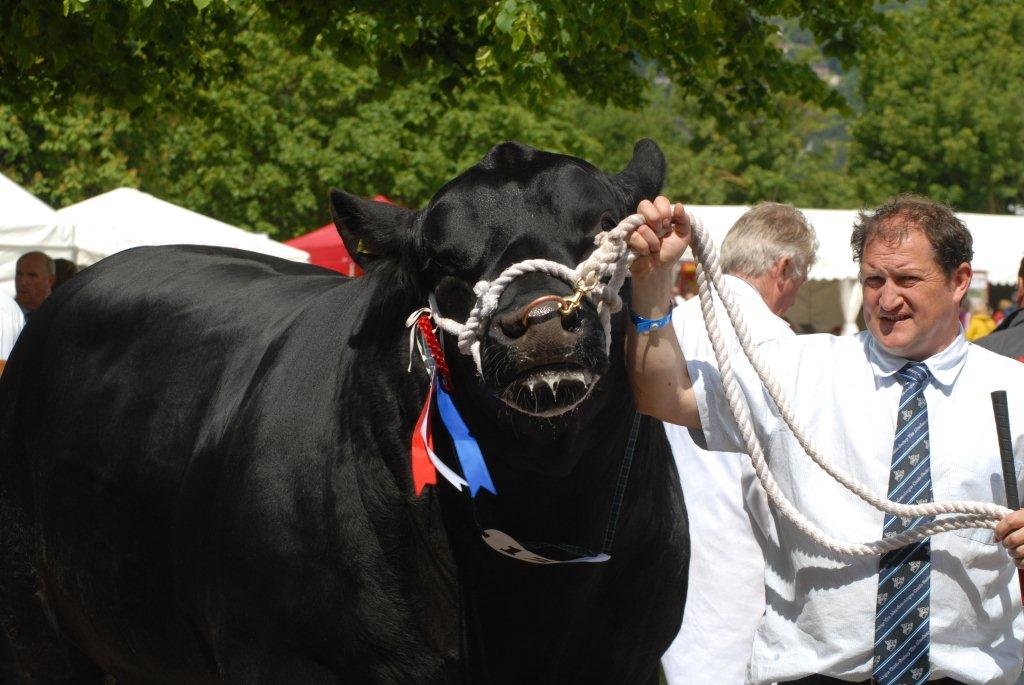

The Glympton Estate covers a little less than 3000 acres of Cotswold Brash land. Some 2000 acres of that is arable including silage leys, with a further 500 acres of permanent grass and 500 acres of woodland. Glympton is home to a 80-cow pedigree herd of Aberdeen-Angus cattle, with a view to increasing to 100 in the next few years. Cattle are out-wintered on brassicaes.
Established in 1993, the herd dates back to original bloodlines largely from the Nightingale herd, as well as The Castle of Mey and embryos purchased from Canada. Stock sires in the early years have included BCC Eileenmere Lad, MVBL Lancer 9F and Reich Poker 13P, which have all helped to produce females with medium build, depth, correct structure and breed character.
Showing is undertaken at both regional and national level with many great successes over the years including championship wins at the Summer National Shows and show such as the Royal Three Counties, Royal Welsh and the Great Yorkshire Show. Bulls are largely sold privately off farm for both commercial and pedigree use with females in demand both in the UK and for export sales. In 2019 Trevor Kirk joined the Glympton as head stockman.
The history of the estate
The Glympton Park Estate lies within the boundary of the Forest of Wychwood on the edge of the Cotswolds and gets its name from the hamlet on the River Glyme. The history of the Estate goes back to c.1122 when it was originally used as a sporting estate.
Glympton has been farmed as a traditional mixed farm since 1663 when the meadows and pasture belonging to the manor were originally enclosed, much as they are today.
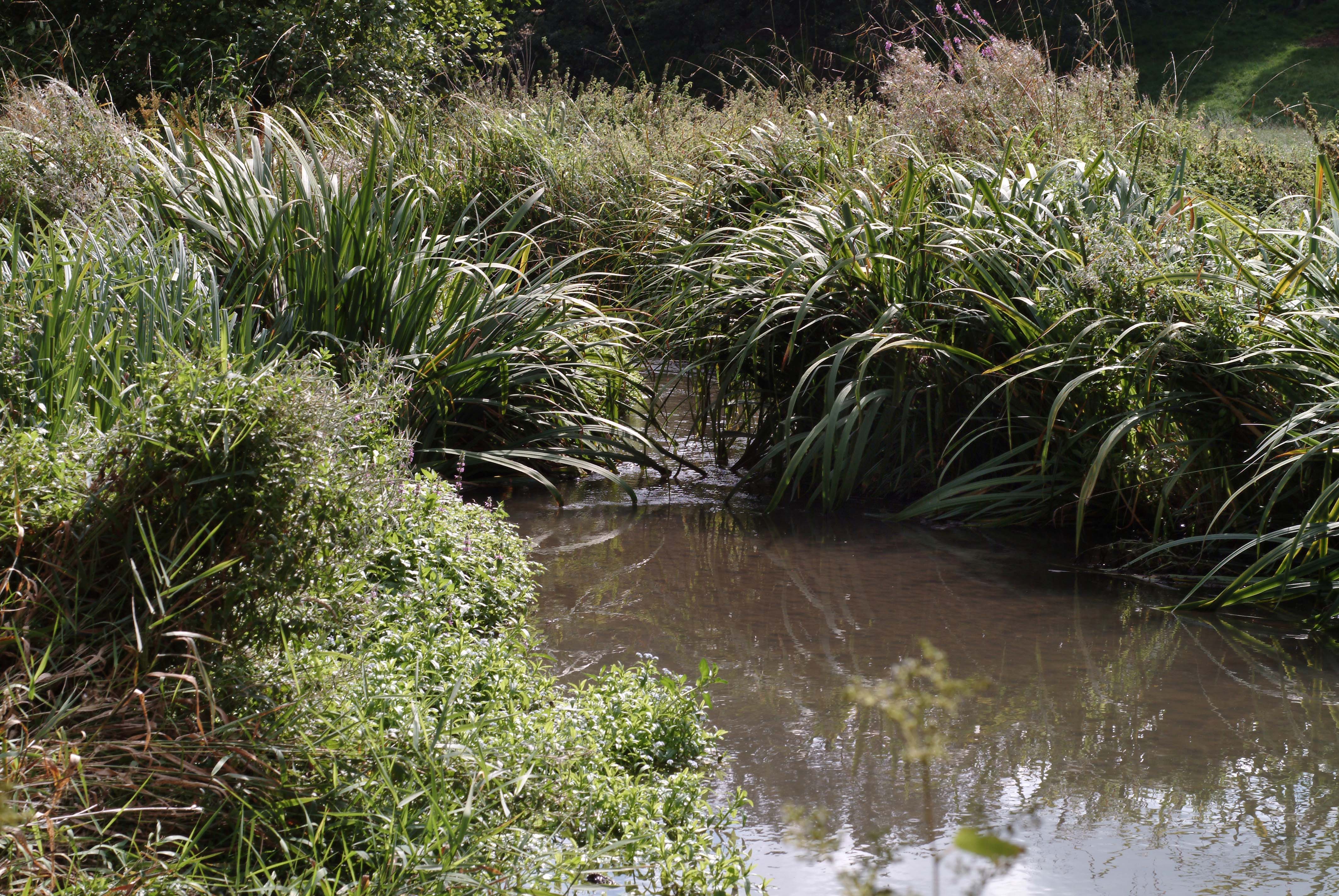
The farming policies which are practiced today are not dissimilar to the 17th century; cereal crops, a (dry) sheep flock, and a beef herd of pedigree Aberdeen-Angus. Although the arable operation is intensively farmed, the livestock enterprises make use of the Estate’s extensive grazing, primarily along the River Glyme, which is not fertilised or sprayed. The grassland acts as a buffer for the river, which is an Upper Thames Tributary and all of the grazing fields are fenced off from the river to protect the natural habitat the river provides.
There are a further 12 acres of arable land that have been converted into grass margins or ‘buffer strips’, with a further 60 acres of arable land dedicated to small seeded bird mixtures, pollen and nectar mixes for the bumble bees and Lapwing plots to try to increase the bio-diversity on the estate.
The Estate is also home to an SSSI (Site of Special Scientific Interest) called Sheep Banks and a County Wildlife Site – called Worcester Hill. These are surrounded by intensively farmed arable fields which have grass margins to protect the ancient mix of grasses in the fields next to them.
The woodland areas of the Estate are all managed to produce good stands of quality timber. The thinnings are stored and processed to produce firewood for sale. Nearly all of the fields have hedges or plantations around them providing a wonderful habitat for small birds and mammals as well as contributing to the ‘patchwork’ beauty of the Cotswold countryside.